
What Are Shoulder Epaulettes and How Did They Originate?
Shoulder epaulettes are ornamental shoulder pieces that serve as insignia of rank and authority in uniforms. These decorative elements appear on military, corporate, and service apparel to communicate hierarchy and add a structured, formal aesthetic.
The history of shoulder epaulettes traces back to the 17th century when soldiers tied decorative ribbons onto their military coats. This practical addition prevented shoulder belts—used to carry weapons and equipment—from slipping off during movement. Over time, these simple ribbons evolved into more elaborate shoulder epaulettes as military dress became increasingly formalized.
By the 18th century, shoulder epaulettes had transformed from functional accessories into powerful symbols of rank within armed forces. Officers began wearing distinct epaulette designs to display their position in the military hierarchy. The placement, color, and style of these ornamental shoulder pieces communicated immediate visual information about a soldier’s authority and role.
Traditional military epaulettes featured construction from:
- Cloth or flexible metal for durability and appearance
- Bullion fringe in varying lengths to denote rank
- Gold or silver threading to distinguish officer classes
- Embroidered insignia representing specific branches or units
These design elements established a visual language of authority that extended beyond battlefields into ceremonial occasions. The military insignia system created through epaulettes laid the foundation for their modern adaptation in corporate and service uniforms, where they continue to convey professionalism and rank distinction.
How Do Shoulder Epaulettes Symbolize Authority in Uniforms?
Epaulettes are designed to convey rank and authority through specific choices in their design. Here are some ways in which epaulettes symbolize authority:
1. Color Significance
The color of the epaulette material is the first indicator of rank:
- Gold usually represents senior officers.
- Silver or white signifies junior ranks.
2. Fringe Length
The length of the fringe on the epaulette also signifies hierarchy:
- Higher-ranking personnel have longer bullion fringe.
- Lower positions either have shorter fringe or no fringe at all.
3. Placement for Visibility
The placement of epaulettes on the uniform is crucial for conveying authority:
- Epaulettes are positioned on both shoulders for maximum visibility.
- This ensures that rank can be identified from different angles without any confusion.
4. Width and Rigidity as Signals
The width and stiffness of the shoulder board can indicate seniority:
- Broader, stiffer boards are typically worn by individuals in command positions.
5. Specific Components for Precise Rank Identification
Epaulettes may contain specific elements that denote rank:
- Stars represent flag officers or senior executives, with the number of stars indicating the exact rank level.
- Pips (small emblems) signify intermediate ranks based on their quantity and arrangement.
- Branch insignia identifies the wearer’s department or specialty within the organization.
- Stripes or bars create clear distinctions between adjacent rank levels.
Additionally, certain uniforms utilize shoulder cords, which further enhance the visual representation of authority and rank.
These design choices work together to create a visual language that communicates authority. For example, a uniform with gold epaulettes featuring multiple stars conveys supreme authority without needing any words, while simpler designs with minimal decorations indicate entry-level positions within the organizational structure.
Why Are Epaulettes Important in Corporate and Service Apparel Today?
Corporate uniforms and service uniforms have adopted epaulettes to establish clear hierarchies and project authority without military connotations. Airlines pioneered this adaptation, with pilots wearing cloth tubular epaulettes featuring gold braid stripes that instantly communicate their rank to passengers and crew. Security firms, hotel management, and transportation services similarly incorporate shoulder decorations to distinguish supervisors from entry-level staff.
The professional appearance created by epaulettes serves multiple organizational needs:
- Instant recognition of authority figures during emergencies or customer service situations
- Visual consistency across teams, strengthening brand identity and organizational cohesion, as highlighted in discussions about visual branding consistency
- Psychological reinforcement of leadership roles, making it easier for employees and customers to identify decision-makers
Police departments worldwide demonstrate the practical value of epaulettes in service uniforms, using them as platforms for displaying rank insignia on the shoulders where they remain visible regardless of equipment worn. This placement ensures accountability and transparency in public-facing roles.
The structured silhouette created by shoulder decorations adds formality to corporate attire, transforming standard blazers and shirts into distinctive professional garments. Companies investing in epaulette-enhanced uniforms signal their commitment to organizational structure and professional standards, creating immediate visual impact that differentiates their personnel from competitors. This aligns with the broader understanding of visual consistency which plays a crucial role in establishing a strong brand presence.
How Do Epaulettes Enhance Both Functionality and Style?
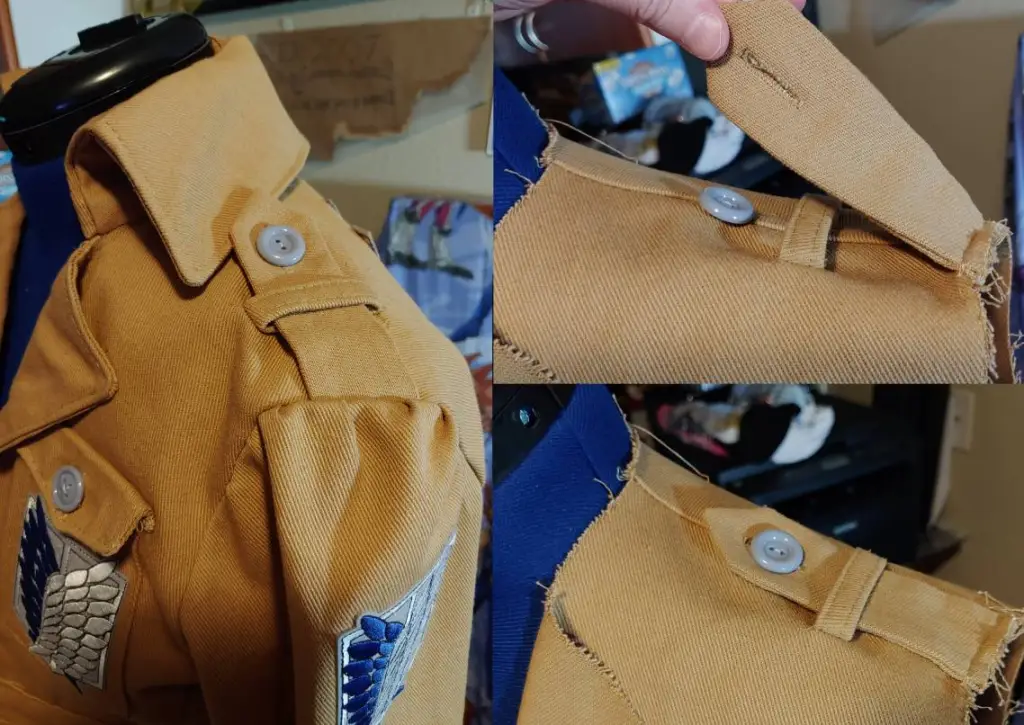
Epaulettes serve as practical badge holders that secure rank insignia, identification pins, and organizational symbols directly at shoulder level. This elevated placement ensures visibility from multiple angles while keeping credentials firmly attached during movement. The structured shoulder piece creates a defined silhouette that broadens the upper body, projecting confidence and authority through its geometric precision.
The functional design extends beyond mere decoration. Epaulettes provide a standardized mounting surface for interchangeable insignia, allowing organizations to update rank displays without replacing entire uniforms. The rigid or semi-rigid construction maintains shape throughout wear, preventing sagging or distortion that could diminish professional appearance.
Stylistic elements blend historical military aesthetics with modern minimalism. Contemporary epaulettes often feature:
- Streamlined profiles without excessive fringe
- Matte finishes for understated elegance
- Color-matched materials that integrate seamlessly with uniform fabrics
- Removable designs for easy cleaning and maintenance
Organizations balance tradition with innovation by retaining recognizable epaulette silhouettes while adapting materials and attachment methods. Aviation uniforms exemplify this approach through cloth tubular epaulettes with clean braid stripes, maintaining ceremonial gravitas while meeting practical demands of daily service. Security and hospitality sectors similarly adopt simplified shoulder straps that reference military heritage without overwhelming contemporary uniform aesthetics, demonstrating how shoulder epaulettes add authority and style to corporate and service apparel through thoughtful design evolution.
What Are Some Common Components of Modern Shoulder Epaulettes?
Modern epaulettes consist of several distinct parts that work together to create a complete insignia system. The lining forms the base layer, typically made from durable fabric that matches or complements the uniform color. A button fastening secures the epaulette to the shoulder, positioned near the collar to keep the piece firmly in place during wear.
The spine runs along the outer edge of the epaulette, providing structural support and defining its shape. This rigid element prevents the epaulette from folding or losing its crisp appearance. The shoulder strap (or attente) connects the epaulette to the uniform, threading through specially designed holes in the garment’s shoulder seam. The neck bezel sits closest to the collar, creating a finished edge where the epaulette meets the uniform body.
Epaulette components vary significantly based on rank and role. For instance, military insignia such as:
- Stars or pips indicate specific rank levels, with their number and arrangement following established hierarchies
- Branch insignia identify the wearer’s department or specialty within an organization
- Field colors distinguish between divisions or service branches
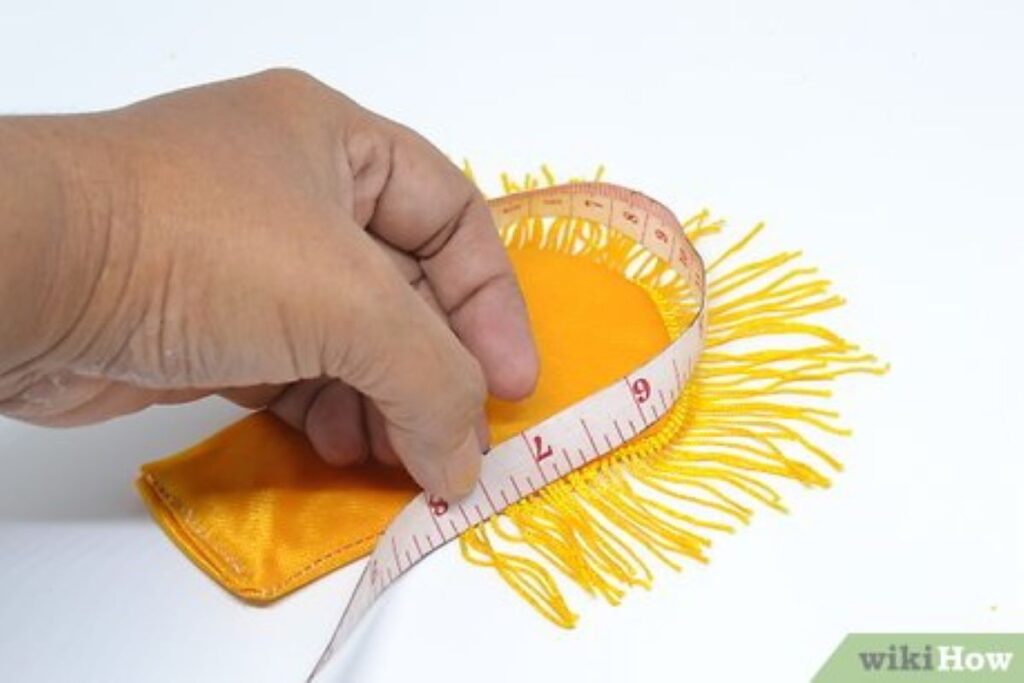
- Fringe styles range from simple cloth edges to elaborate bullion fringe, with length and density signaling seniority
Read more about honourable insignia.
These variations create an instantly recognizable visual language that communicates organizational structure at a glance. Such detailed specifications regarding epaulettes highlight their significance beyond mere decoration; they serve as vital symbols of rank and role within military and other hierarchical organizations.
How Do Epaulettes Influence Perceptions of Authority in Corporate Settings?
Epaulettes trigger immediate visual recognition of workplace hierarchy, creating instant perception of authority before any verbal interaction occurs. The structured shoulder decoration draws the eye upward toward the wearer’s face while simultaneously broadcasting their organizational position through workplace hierarchy visual cues that require no explanation.
Research in organizational psychology demonstrates that uniforms with distinctive rank markers like epaulettes activate subconscious respect responses in observers. When employees encounter colleagues wearing epaulette-adorned uniforms, they instinctively process the visual information and adjust their behavior accordingly. This automatic response stems from centuries of cultural conditioning where shoulder decorations signaled command and expertise.
The psychological impact extends beyond initial impressions. Epaulettes create a consistent visual language within organizations that reinforces reporting structures and decision-making authority. A pilot wearing four-stripe epaulettes commands immediate deference from passengers and crew alike, while a security supervisor’s decorated shoulders distinguish them from entry-level personnel without requiring verbal assertion of rank.
Wearers themselves experience heightened confidence and professional identity when donning epaulette-adorned uniforms. This dual effect—influencing both observer perceptions and wearer psychology—makes epaulettes particularly valuable in customer-facing roles where authority must be communicated quickly and clearly. The decoration serves as a non-verbal credential that establishes credibility in high-stakes environments like aviation, law enforcement, and hospitality management.
Interestingly, this phenomenon isn’t limited to just uniforms with epaulettes. Research also indicates that the design of uniforms can significantly impact perceptions of authority and competence across various sectors.
See Also : Why Custom Lapel Pins Cheap Doesn’t Have to Mean Low Quality
How Can Organizations Effectively Integrate Epaulettes Into Their Uniform Design?
Successful integration begins with aligning epaulette design to organizational culture and operational needs. Companies must select materials that balance durability with visual impact—cloth epaulettes work well for service industries prioritizing comfort, while rigid metal or leather options suit security and aviation sectors requiring more formal presentations.
Material and color selection should reinforce brand identity through apparel:
- Navy or black conveys traditional authority for security firms and law enforcement
- Gold or silver accents add prestige to hospitality and airline uniforms
- Matte finishes create modern, understated professionalism for corporate settings
- Metallic elements emphasize rank distinction in paramilitary organizations
The uniform design strategy must establish clear visual hierarchies. Organizations achieve this by standardizing stripe counts, star configurations, or pip placements across different positions. A three-stripe epaulette might designate senior management, while single stripes identify entry-level supervisors.
Color coding provides instant recognition—red epaulettes for emergency response teams, green for environmental services, or burgundy for premium customer service roles. This systematic approach to How Shoulder Epaulettes Add Authority and Style to Corporate and Service Apparel ensures employees and clients immediately understand organizational structure.
Practical considerations matter equally. Epaulettes should attach securely without damaging uniform fabric, accommodate badge holders when necessary, and withstand regular cleaning without losing shape or color vibrancy. Testing prototypes with actual staff members reveals comfort issues and functionality gaps before full implementation.
Conclusion
Shoulder epaulettes show how tradition meets modernity in uniform design. Their journey from 17th-century military practicality to contemporary corporate applications proves that well-designed authority symbols in apparel remain relevant across centuries.
Organizations that incorporate epaulettes into their uniforms gain multiple advantages:
- Visual hierarchy that instantly communicates organizational structure
- Professional aesthetic rooted in time-honored military precision
- Functional design that accommodates modern rank insignia and badges
- Cultural continuity linking present-day service standards to historical excellence
The symbolic heritage of epaulettes enriches modern workplaces without limiting innovation. Airlines, security services, and corporate entities successfully adapt these shoulder ornaments to reflect their unique brand identities while maintaining the authoritative presence epaulettes naturally convey.
How shoulder epaulettes add authority and style to corporate and service apparel extends beyond mere decoration. They create immediate recognition, command respect, and establish professional boundaries—qualities that remain essential regardless of industry evolution. Organizations investing in thoughtfully designed epaulettes invest in their institutional identity and the dignified presentation of their personnel.